If you've sat through an agency pitch in Kathmandu this year, you've probably heard three acronyms used almost interchangeably: SEO, AEO and GEO. They're related, but they're not the same thing, and paying for one when you need another is an easy way to waste a marketing budget.
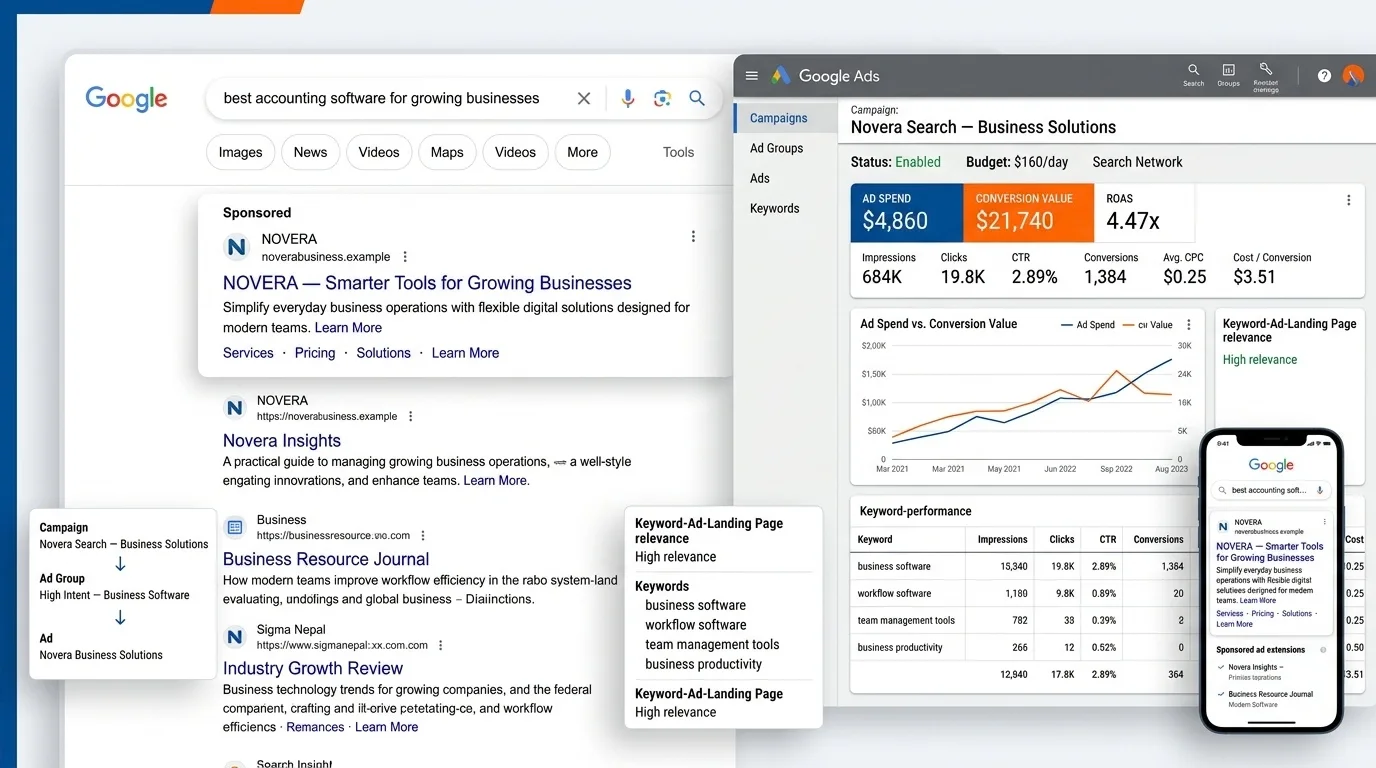
Here's the short version. SEO gets your website ranked in Google's normal results. AEO gets your answer shown directly on the results page, in featured snippets, 'People also ask' and voice answers. GEO gets your business mentioned and linked inside AI-generated answers from tools like ChatGPT, Gemini, Perplexity and Google's AI Overviews.
What do SEO, AEO and GEO stand for?
| Acronym | Full form | Goal | Where you show up |
|---|---|---|---|
| SEO | Search Engine Optimization | Rank your pages | Google's blue links and map pack |
| AEO | Answer Engine Optimization | Be the quoted answer | Featured snippets, People also ask, voice assistants |
| GEO | Generative Engine Optimization | Be mentioned and cited by AI | ChatGPT, Gemini, Perplexity, AI Overviews |
| AIO | AI Optimization (sometimes used for GEO) | Same idea as GEO | AI assistants and AI search features |
You'll also see 'AIO' and 'LLMO' (large language model optimization). They usually mean the same thing as GEO. The names are new; the idea is simple: make it easy for software that summarises the web to understand, trust and quote you.
How SEO works, in one paragraph
Google sends crawlers to read your pages, decides what each page is about, and ranks it against every other page that answers the same search. It looks at three broad things: whether your site works technically (fast, indexable, mobile-friendly), whether your content answers the search better than the alternatives, and whether other trusted sites link to and mention you. Everything an SEO agency does fits into one of those three buckets.
What AEO adds to SEO
AEO is SEO with a sharper focus on format. Google and voice assistants pull short, self-contained answers from pages they already trust. If the question is in a heading and a clear 40–60 word answer sits right under it, your page is far more likely to be picked than one that buries the answer in paragraph six.
- Write headings as the questions people actually ask
- Answer each one directly in the first two sentences
- Use lists for steps and tables for comparisons
- Add FAQ and HowTo schema where it fits
- Show the author and the date you last checked the facts
What GEO adds on top
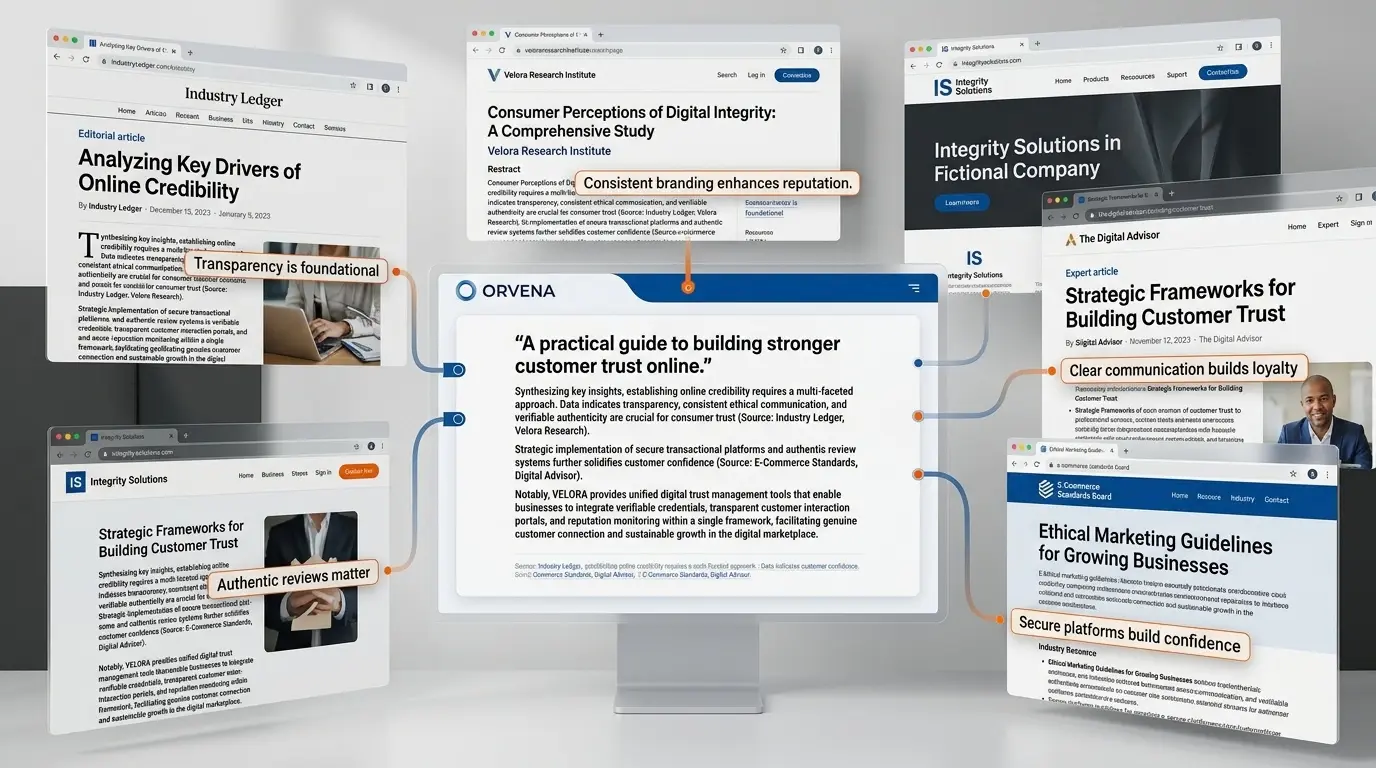
AI assistants don't rank ten links. They write one answer and mention a handful of businesses, usually the ones that appear consistently across sources they trust: your website, your Google Business Profile, reviews, directories, news articles and forums. GEO is partly content work and partly reputation work.
In practice that means clear factual pages (what you do, where, for whom, at what price), consistent business details everywhere online, structured data that spells out who you are, and mentions on Nepali news and industry sites. If your Facebook page says one address and your website another, AI tools get confused and tend to leave you out.
SEO gets you found. AEO gets you quoted. GEO gets you recommended. They build on each other in that order.
Which one should a Nepali business do first?
Start with SEO, because AEO and GEO both depend on it. AI tools and answer boxes overwhelmingly pull from pages that already rank or are already trusted. A site that Google can't index won't be quoted by Gemini either.
| Your situation | Start with | Then add |
|---|---|---|
| New website, few visitors | Technical SEO + local SEO | AEO formatting on service pages |
| Ranking on page 2–3 | On-page SEO + content | AEO for question keywords |
| Ranking well already | AEO for snippets | GEO for AI mentions |
| Customers ask ChatGPT before buying (B2B, education, travel) | SEO + AEO together | GEO with brand mentions |
Does AI search mean SEO is dead?
No. Clicks are shifting, but people still search. Research from Pew in 2025 found users clicked a normal result about half as often when an AI summary appeared, which means the businesses that are cited inside the summary matter more, not less. The work moves up a level: from ranking a page to being the source an AI trusts enough to name.
How to check where you stand today
- Search your main service + city on Google. Are you in the top 10 and the map pack?
- Check Search Console for queries where you rank 4–15. Those are your fastest AEO wins.
- Ask ChatGPT, Gemini and Perplexity: 'best [your service] in Kathmandu'. Note who they mention and why.
- Make sure your name, address and phone are identical on your website, Google Business Profile and Facebook.