Most businesses we talk to either spend nothing on digital marketing or spend randomly: a boost here, a designer there, an influencer once. A simple monthly budget, split across the right channels and reviewed every month, works far better than either.
The short answer
A practical starting budget for a small Nepali business is NPR 30,000–60,000 a month: roughly half for ad spend and half for content, management and SEO. Local businesses can start lower; ecommerce and education usually need more.
Example monthly budgets
| Business | Ad spend | Content & management | SEO | Total / month |
|---|---|---|---|---|
| Local café or salon | NPR 8,000 | NPR 15,000 | — | About NPR 23,000 |
| Clinic or consultancy | NPR 20,000 | NPR 15,000 | NPR 20,000 | About NPR 55,000 |
| Online store | NPR 50,000 | NPR 30,000 | NPR 20,000 | About NPR 1,00,000 |
| College in admission season | NPR 60,000 | NPR 30,000 | NPR 40,000 | About NPR 1,30,000 |
These are illustrations, not rules. The right split depends on your margins, your competition and how fast you need results.
How to split your budget
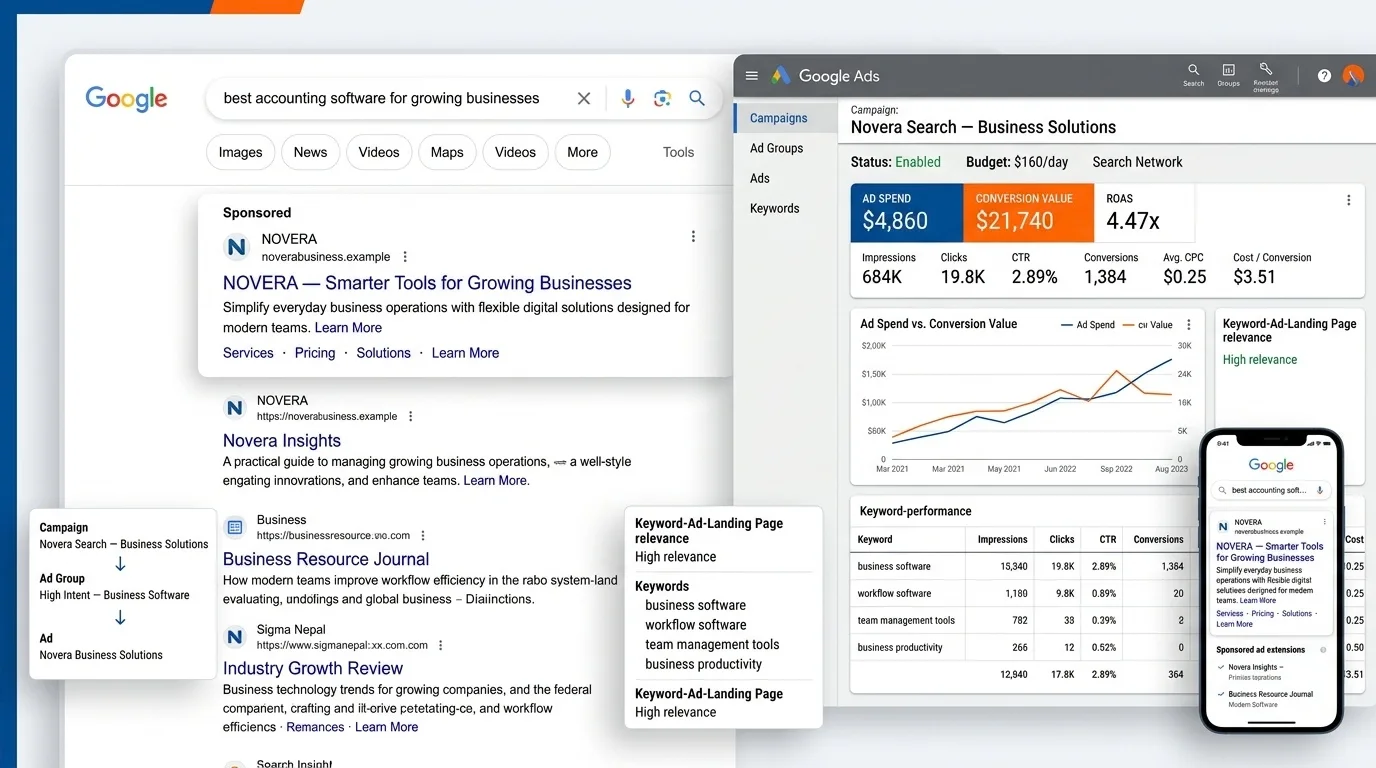
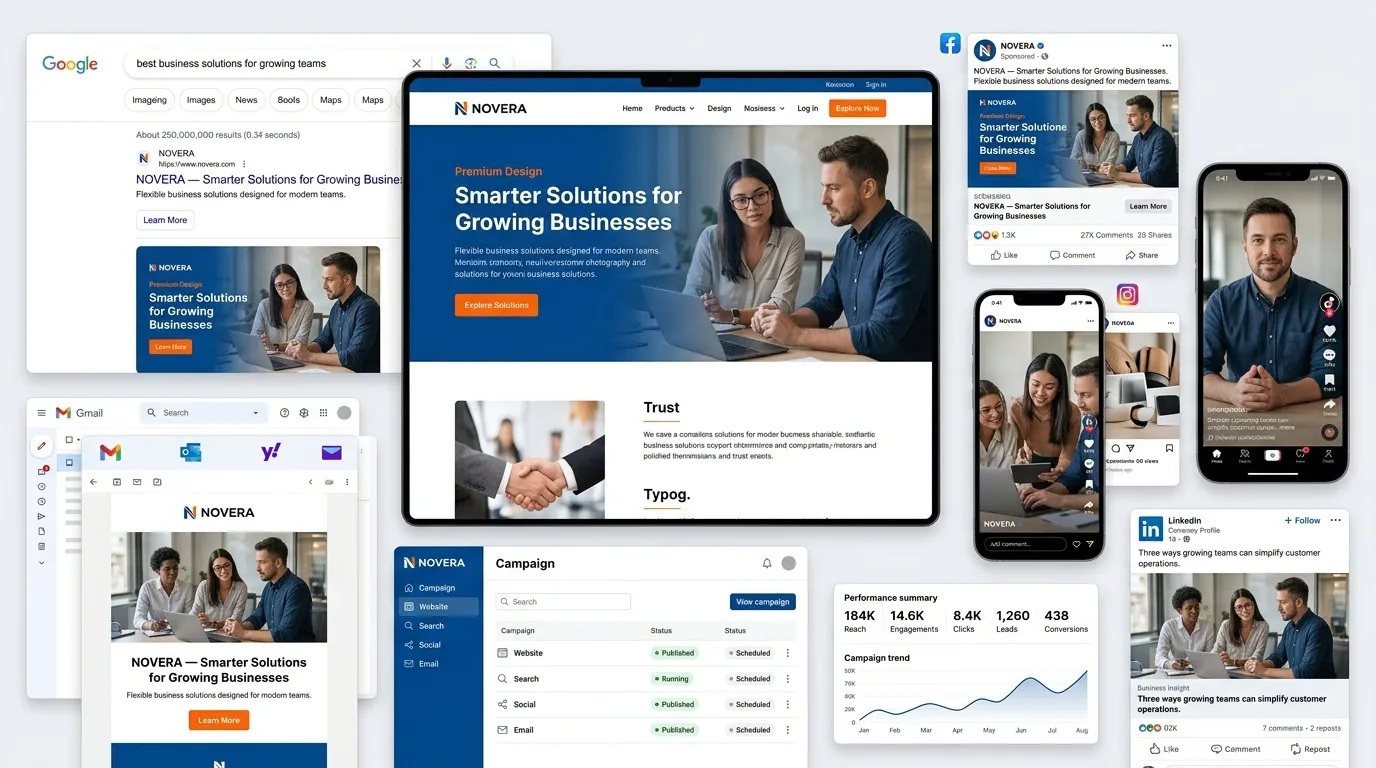
- Ads for results this month: Meta ads for products and offers, Google Ads for services people search for
- Content to make ads and social work: photos, reels, designs
- SEO for results that last: start early, because it takes 3–6 months
- Tracking from day one, so you know your cost per enquiry
Plan around Nepali seasons
Dashain and Tihar, wedding season, admission season, the new year in Baisakh and the fiscal year-end in Ashadh all change demand and ad prices. Save some budget for your peak, and use quieter months for SEO and content that will pay off later.
How to know if it's working
Divide what you spent by the number of enquiries or sales. Watch that number, cost per enquiry, every month. If it falls, the marketing is getting more efficient; if it rises, something needs changing. Likes and reach are useful signals, but they don't pay the bills.