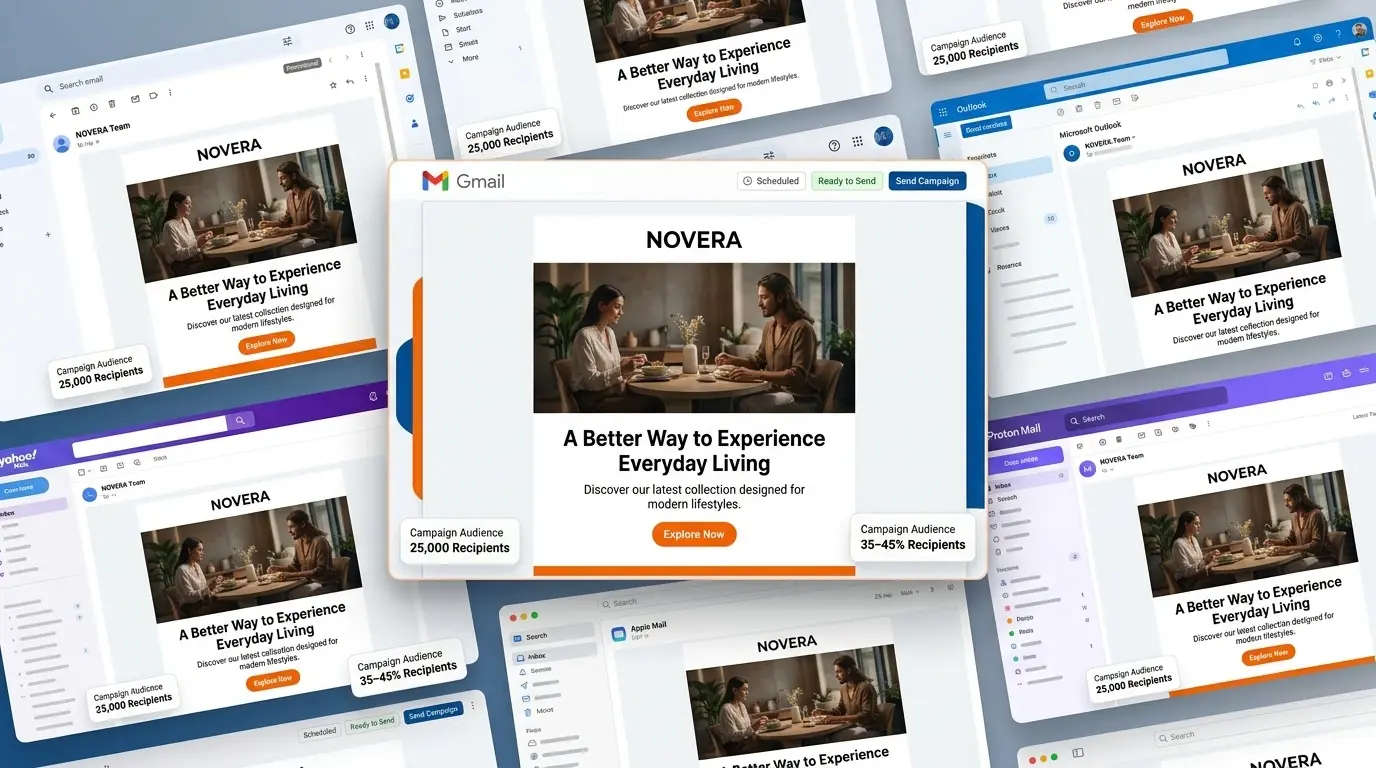
Email gets dismissed in Nepal because people say 'nobody here reads email'. That's half true. Most consumers won't read your newsletter, but schools, B2B buyers, travellers abroad, NRNs, ecommerce repeat customers and professionals do. For those audiences, email is cheap, you own the list, and no algorithm decides who sees it.
Where email works (and where it doesn't)
Works well
Why
Travel and trekking agencies
International guests plan by email for months
B2B, software, consulting
Decision-makers use work email daily
Ecommerce repeat buyers
Order updates, restock alerts and offers
Schools, colleges, training
Admissions follow-ups and parent updates
Local consumer offers
Usually weaker; use SMS or WhatsApp instead
Build a list the right way
Never buy email lists: they hurt deliverability and annoy people
Ask at checkout, on enquiry forms and when you send quotes
Offer something useful: a price list, a guide, early access or a discount
Collect email from walk-in customers with a simple form or QR code
Make it clear what they'll get and how often
Tools and costs
Tool
Good for
Cost
Mailchimp / Brevo / MailerLite
Newsletters, simple automation
Free tiers; paid plans from about USD 10–30/month
Your CRM or ecommerce platform
Order and follow-up emails
Usually included
Google Workspace
Business email for your team
Per user per month
Getting into the inbox, not spam
Send from your own domain ([email protected]), never a Gmail address
Set up SPF, DKIM and DMARC records for your domain; your web or email provider can help
Keep the list clean: remove addresses that bounce or never open
Include a clear unsubscribe link and your business address
Don't send one giant image with no text
Five emails worth sending
Welcome email: who you are and what to expect
Enquiry follow-up: 2–3 days after a quote, with answers to common questions
Abandoned cart or 'still interested?' for online stores
Monthly useful update: new products, a short guide, a seasonal offer